
Most people think the city’s best nights start at the most visible venues. In truth, the places that keep the night alive are tucked behind unassuming doors, often disguised as a shopfront or a nondescript office. I’ve walked into a bar that was literally a second‑floor storage room, and another that was a former post office. These spots have a vibe that you can’t get from a headline‑grabbing cocktail bar.
How do you spot a truly hidden bar?
Look for a sign that says “No Entry” or a plain glass door with a single brass keyhole. A second‑hand bookshop that turns into a speakeasy after dark is a common pattern. If the building has a long history—say, a Victorian townhouse or a former bank—there’s a good chance the bar is hiding inside. A quick Google search for “London hidden bar” will often bring up a list of addresses that you can cross‑check with the city’s heritage listings.
Top 10 Hidden Bars for a Night Out in London
- The Locker Room – Located at 33 Gower Street, this former police lock-up now serves craft gin. The entrance is a discreet brass door that opens with a key found on a nearby bench.
- Back Room – 18 Wimpole Street, a 1930s cinema converted into a cocktail lounge. The bar is behind a revolving screen that reveals a velvet‑lined bar when you pull a hidden lever.
- Shakespeare’s Hideaway – 22 Gower Street, a tiny room behind a bookcase in a second‑hand shop. The menu is handwritten in a notebook you pick up at the counter.
- Under the Bridge – 5 Bridge Street, a former warehouse with a steel door that opens only at midnight. The cocktails here are made with house‑grown herbs.
- Vault – 14 Southwark Street, a former bank vault turned speakeasy. A coin on the counter unlocks a hidden door to the bar.
- Oyster – 12 Queen Victoria Street, a former fish market. The bar is hidden behind a wall of fish jars, and the menu changes daily.
- The Vaulted – 4 High Street, a former church hall. The entrance is a brass keyhole that opens to a vaulted ceiling and a small, intimate bar.
- Bar 17 – 17 King’s Cross, a former printing press. The bar is behind a false wall of old printing plates.
- Hollow – 9 Holloway, a former apothecary. The bar is hidden behind a shelf of antique medicine bottles.
- Blue Room – 22 Blue Hill, a former railway station. A hidden door behind a train ticket counter leads to a dimly lit bar with a vintage jukebox.
What makes these spots special?
Each bar offers a unique story that you can feel as soon as you step through the door. The Locker Room’s old police lock‑up walls give a sense of history, while Back Room’s cinema screen adds a touch of nostalgia. The hidden lever at Shakespeare’s Hideaway feels like a secret handshake. And the coin‑key at Vault turns the act of ordering into a small adventure.
How to enjoy a night at a hidden bar without losing your way
Plan ahead. Call the bar to confirm opening hours—many of these places close early, around 11 pm, and some require a reservation. Bring a small change of cash; many hidden bars still accept only cash because they don’t have a card reader. And be ready for a different experience: the service is often more personal, with bartenders willing to explain the origin of each drink. If you’re in the mood for something truly off the beaten path, try a cocktail that uses a local ingredient—like a London‑grown basil or a barrel‑aged gin from a nearby distillery.
When the night turns into a different kind of entertainment
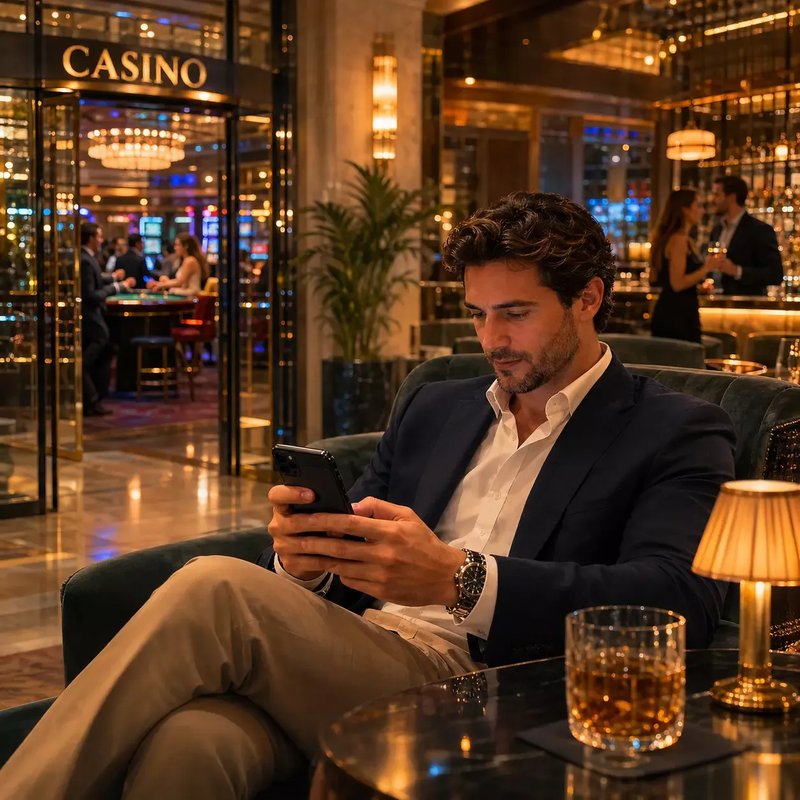
Sometimes, after a few hidden bars, you might crave a different kind of thrill. If you’re craving a clandestine thrill online, visit Incognito Casino United Kingdom for a discreet gaming experience.
Why these bars deserve a spot on your itinerary
London’s nightlife is a mosaic of the old and the new. Hidden bars are the pieces that add texture to that mosaic. They’re not just about drinks; they’re about discovery, atmosphere, and a touch of mystery. If you’re willing to wander a few streets off the main tourist paths, you’ll find that the city’s best nights often start in the most unexpected places.